
"coffee plant environment"
10000 article(s) found

Harvest season of Vivette South Fruit in Guatemala-- description of Regional Flavor of Coffee Bean planting Environment
Guatemala Vivette South Fruit Harvest season-Coffee Bean planting Environment Regional Flavor description: Guatemala Vivette South Fruit Antonio Manor washed mundo novo New beans on the shelves, Guatemala Vivette South Fruit Antonio Manor Water washing Nob discount 30% discount during the new period, rich berry aroma, wine texture and flavor, medium acidity, mellow, back sweet

High-quality coffee Nicaraguan coffee planting environment flavor production area introduction to Tianyi Manor
Nicaragua has a unique ecological environment for growing coffee, which is covered with fertile volcanic soil and shaded planting mode, which makes the coffee fruit grow slowly and indirectly absorb the moisture brought by the thick fog, which establishes the good growth essence of coffee. The manor uses hand-picked fully ripe coffee beans, washed and processed, with rich mellow, multi-layered taste and clean aroma.

Manning Coffee growing Environment characteristics planting manor flavor description taste treatment method
Manning coffee growing environment characteristics planting manor flavor description first Ethiopia: coffee original flavor annual output: 396000 tons a cup of water washed Yegashafi (Yirgacheffe) can bring out exquisite flowers and sweet fruit flavor, unparalleled; or sun-treated Sidamo, sweet and atmospheric, are all Ethiopian coffee

Introduction to the growing process of Wild Coffee, Environment, planting and Manor producing areas
The growth process of wild coffee the environment of planting manors the drinking and cultivation of Yemeni coffee dates back to 1454. The government allowed drinking and growing coffee that year, because the government may find that the exciting function of coffee is more powerful than the hypnotic function of gat.
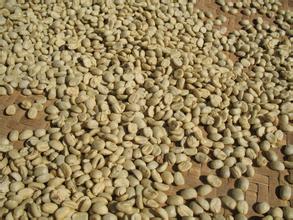
Introduction to the description of planting environment and flavor of high-quality coffee beans in Antigua, Guatemala
Guatemala Antigua Flower God boutique coffee beans characteristics of the planting environment flavor description in Guatemala's three major non-volcanic coffee producing areas, the Mini Nango Highlands is the driest climate, the highest altitude area, the dry hot wind from Mexico's Tehuantepec plateau, to protect the area's coffee from frost, coffee can be grown to 2000 meters (6500 feet) plots. By

Introduction to the Flavor description method of Yunnan Tieka Coffee Bean Grinding scale planting Environment
Yunnan Tieka coffee beans flavor description treatment method grinding scale planting environment China's coffee cultivation is concentrated in Yunnan Province and Hainan Province, Yunnan has a large output, with an annual output of about 26000 tons in recent years, accounting for 90% of the national output. It is said that Yunnan coffee came from the French 70 or 80 years ago. The main variety is Arabica Arabica, the so-called small seed coffee, commonly known as Yun in China.
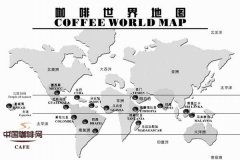
The growing conditions of coffee Coffee can not be grown in any environment
Coffee belt: coffee can not be grown in any environment, because it is originally a plant growing in a tropical rain forest, and in phylogeny, it forms the habit of requiring calm wind, cool, shaded or semi-shaded and humid environment. Therefore, coffee has strict requirements on planting conditions. We call the strips on both sides of the equator, between latitudes 25 degrees south and north, suitable for coffee growth as coffee belts. 1 、

Coffee Bean planting Environment in Bolivia A brief introduction to the northeast of La Paz, the snow vein manor.
Because Bolivia's production is low, we don't have many chances to drink it. It is precisely because the smaller the output, the more precious it is. Because of my personal preference for Central American coffee, I still have more expectations for Bolivia, a small and beautiful coffee producing country. Bolivia not only has a unique growing environment, but also has an excellent coffee variety, Typica. Two

Brief introduction of the Grinding scale Price and planting Environment of Pacamara Coffee beans in El Salvador
Brief introduction of El Salvador Pacamara Coffee Bean Grinding scale Price planting Environment brief introduction of El Salvador Fine Coffee production area; El Salvador boutique coffee is concentrated in the volcanic rock producing areas of Santa Ana in the west and Charantanan fruit in the northwest. The top 10 cup tests in recent years almost all come from these two producing areas, with an altitude of about 9-1500 meters above sea level, mainly bourbon (68%), followed by Pacas (29%), mixed race

Planting Environment and Flavor characteristics of Black Honey in Shumawa Manor, Costa Rica
Black Honey planting Environment and Flavor characteristics of Schumawa Manor in Costa Rica Sumava de Lourdes is located in Naranjo, Orange County, West Valley, in the western valley of Costa Rica. There are two farms in the estate: Monte Llano Bonito and Monte Lourdes, of which Monte Llano Bonito won the 13th place in the 2015 Excellence Cup CoE competition. Shuma

Introduction to the characteristics of Iron pickup Coffee beans, description of planting Environment and Flavor
The characteristics of iron pickup coffee beans planting environment flavor description taste introduction planting area is mainly distributed in Lincang, Baoshan, Simao, Xishuangbanna, Dehong and other states. The average temperature of Baoshan is 21.5℃, and the highest is 40.4℃, which is basically frost-free all the year round. It is recognized as the best producing area of small-grain coffee. The small grains of coffee cultivated here are strong but not bitter, fragrant but not strong, well-proportioned and mellow.

Description of planting Environment and Flavor of Brazilian Bahia Coffee Bean Market
Brazilian Bahia coffee bean market situation planting environment flavor description this place belongs to the tropical dry and wet season climate, the state long-term drought, geographically divided into three parts: Atlantic coastal forest area, around Bahia Bay area and Bahia inland plateau region, the major cities are: El Salvador, Ferradi Santa Ana, Victoria, Itabuna, Ilius, Ruazelu and so on.

Introduction of Panamanian Coffee planting Environment introduction of strong varieties of Coffee Flavor
Panama Coffee growing Environment Panama is a small country located in the center of the American continent. The waters of the Atlantic and Pacific oceans flood its beaches. Panama is located at 9 degrees north latitude, the meeting point of the Central Mountains, where Mount Baru, one of the highest volcanoes in Central America, is located. The Baru volcano has an altitude of more than 11400 feet, and the land around it is rich in nutrients and fertile

Introduction to the acidity of varieties in the planting environment of El Salvador coffee bean flavor grinding scale
El Salvador coffee bean flavor grinding scale planting environment acidity introduction the latest government of El Salvador was formed in June 2014. The main cabinet members are: vice President Oscar Ortiz (Oscar Ortiz), Foreign Minister Hugo Rohr Martinez Bonillia (Hugo Roger Martnez Bonilla), Finance Minister Carlos Caceres (Carlos Ccere)

Introduction to the production process of sour Panamanian Coffee Flavor description of planting Environment
Panamanian coffee is famous for the rosy summer of the Emerald Manor, which is also famous in the Boquete region of its Chiriqui province. Poquet Boquete is a town of Chiriqui in the province of Riki. It is located near the border between Panama and Costa Rica, near the famous Baru Baru volcano.

Plant yield of coffee trees planting environment what provinces and cities in China can grow coffee
The planting environment of coffee trees introduces the coffee trees planted in the north-south direction and east-west direction, and there is no difference in yield. This is the orange fruit obtained by the Coffee Institute of Chulvado in a test lung. The trial material is a rejuvenated coffee tree. It is said that the coffee trees that plant in the east-west direction appear to grow more vigorously than those in the north-south direction six months after cutting off the dry and withdrawing new branches; however, to the second

Introduction to the processing Plant of Burundian Coffee Bean planting Environment and Flavor description
Burundi has the most diverse and successful coffee industry in the world, and has its own characteristics. Coffee in this country was introduced by Belgian colonists in 1930 and is now grown only on small farms. Unfortunately, many of these farms are on the border with war-torn Rwanda, putting pressure on coffee production. Coffee produced in Burundi.

Flavor description method for geographical planting environment of coffee in Sumatra, Indonesia
Flavor description of geographical growing environment of Indonesian Sumatra coffee Mantenin coffee has a very rich flavor, fragrant, bitter, mellow, with a little sweetness. Most coffee lovers drink individually, but it is also an indispensable variety of mixed coffee. Mantenin coffee is considered to be the richest coffee in the world. When tasting Mantenin, you can taste it on the tongue.

What are the characteristics of the bourbon variety? What are the characteristics of flavor and taste? How is the planting environment?
Professional coffee knowledge exchange more coffee bean information please follow the coffee workshop (Wechat official account cafe_style) what are the characteristics of bourbon varieties? What are the characteristics of flavor and taste? How is the planting environment? (French: BOURBON) is a kind of coffee produced by growing coffee trees in bourbon cultivation of Arabica coffee. Bourbon coffee was originally grown in Reunion, where it was also grown before 1789.

What are the characteristics of Mantenin in Sumatra, Indonesia? How do you drink manning? Planting environment?
What are the characteristics of Mantenin in Sumatra, Indonesia? How do you drink manning? What are the characteristics of the planting environment? Indonesia is the largest archipelago country in the world. Arabica coffee was introduced and planted during the Dutch colonial period in the 18th century, until it became the top five coffee producing country in the world in modern times. the main producing areas are located in Sumatra, Java and Sulawesi. Sumatra Island